Septic Tank Installation in the Rio Grande Valley
Building on a lot without city sewer, or replacing a system that has failed? A new septic system is a bigger project than a pump-out, and in Texas it follows a set of steps: an evaluation of the site, a design, a permit and an inspection. A local installer handles most of it for you.
The steps of a new septic system
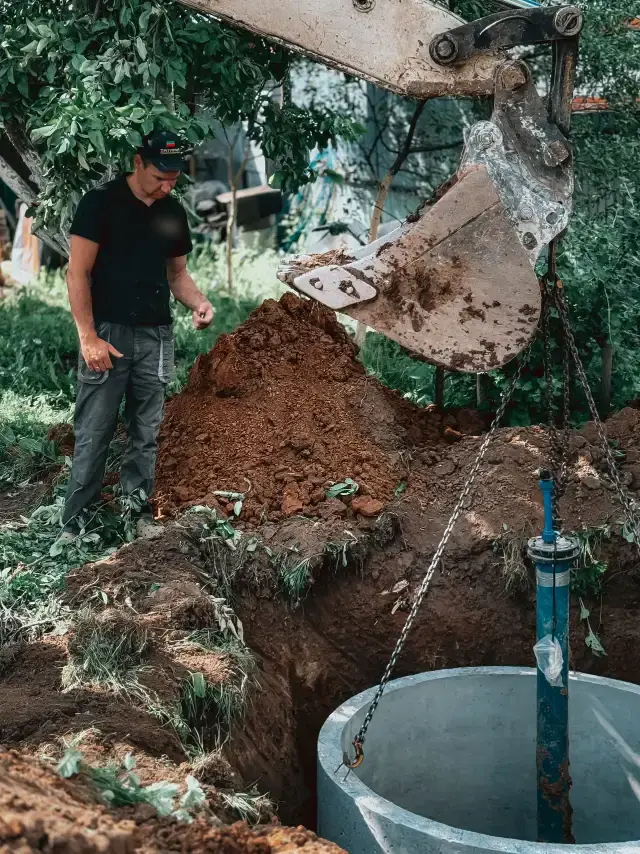
- Site evaluation. A licensed site evaluator (or a professional engineer) checks the soil, the slope and the space on your lot. In the Valley this matters: some soils are heavy clay that absorbs water very slowly, and that changes which system will work.
- System design. Based on the evaluation and the size of the home, the system is designed. It may be a conventional tank with a drainfield or an aerobic system that sprays treated water on the lawn.
- Permit. The design goes to the local permitting authority. In Hidalgo County, the county handles septic permits, including for the City of McAllen. In Cameron County, the county's environmental health office handles them. Check with your city or county before work begins.
- Installation. A TCEQ-licensed installer puts in the tank and the drainfield or spray system. Standard systems need an Installer I license; more complex systems, such as aerobic units, need an Installer II.
- Inspection and approval. The permitting authority inspects the work before the system is put to use.
- Aerobic maintenance contract. If you get an aerobic system, Texas requires a maintenance contract with a licensed provider for the first two years.
Conventional or aerobic?
- Conventional systems use a tank and an underground drainfield. They have few moving parts but need enough space and soil that absorbs water.
- Aerobic systems treat the wastewater with air and spray it on the lawn. They can work on smaller lots or in soil that doesn't absorb water well, but they use electricity and need regular maintenance.
The site evaluation decides which one fits your lot. Your installer can explain the trade-offs for your property.
What affects the price
The cost of a new system depends on the type of system, the soil, the size of the home, access for the equipment and permit fees. Because these vary so much from lot to lot, ask the installer for a written quote that lists the permit, the design and the installation separately.
Installation across the Valley
Local installers work in McAllen, Edinburg, Brownsville and Harlingen, and in the rural areas around them.
Septic installation FAQ
Do I need a permit to install a septic tank?
Yes. In Texas, installing or changing a septic system requires a permit from the local permitting authority, and only a licensed installer may do the work. Your installer normally handles the paperwork.
Who issues septic permits in Hidalgo and Cameron County?
In Hidalgo County, the county handles septic permits, and the City of McAllen has an agreement with the county for this. In Cameron County, the county's environmental health office handles permits and inspections. If you live inside city limits, ask your city which office to use.
How do I check that an installer is licensed?
Ask for the license number and look it up on the TCEQ license search. The license type should match the system: Installer I for standard systems, Installer II for all types.
Can I replace just the tank?
Sometimes. If only the tank is damaged and the drainfield works, a tank replacement may be enough. It still needs a permit. An inspection will show whether the drainfield is in good shape.
Related guides
- How often should you pump a septic tank? — what to expect once your new system is running.
- Septic problems after heavy rain — why soil and drainage matter so much in the Valley.
Planning a new septic system?
Call and talk to a local installer about your lot and your timeline.